Whether you care for one child or several, you’ll know how challenging it can be to get children of different ages to go to sleep. Add to that your own need for sleep and the other jobs you need to get done and it can all feel a little overwhelming.
Check out our tips on managing different family times for bed, how to get back into routines after holidays and seasonal changes, and what to do when your teenager wants to stay up later than you.
How many hours of sleep does my child need?

Children aged five to 12, including those with Special Educational Needs and Disabilities (SEND), need ten or 11 hours’ sleep a night
Teenagers need between eight and ten hours, although this will vary by child.
Adults need between seven and nine hours of sleep each night.
We all have an internal ‘body clock’, called the circadian rhythm, which regulates when we feel sleepy and when we feel awake. As it gets dark, our body releases the hormone melatonin, which makes us feel drowsy, and in the morning, daylight helps us release the hormone cortisol (among others) which can make us feel awake and alert.
In younger children, the sleep hormone switches on around seven or eight in the evening, but as children mature they go through a teenage ‘sleep shift’ when their body doesn’t start to produce melatonin until around ten o’clock in the evening, which is why they usually aren’t feeling sleepy until much later.
What can I do to help my child understand the importance of sleep?

Lisa Artis is deputy CEO of The Sleep Charity, which offers advice and support on sleep issues. She suggests explaining to children what sleep does for them. She says: “[It] helps the brain learn, improves mood, supports physical growth, boosts sporting performance, and helps them cope better with stress and friendships. For teenagers particularly, connecting sleep to things they care about – such as school, gaming, sport, appearance and mental wellbeing – can make the message more meaningful.”
You can also explain to your child how much sleep a child of their age needs, as listed above.
Children, including those with SEND, can benefit from clear, steady expectations: “Consistency, visual schedules, sensory considerations and personalised bedtime routines can all help,” says Lisa Artis. “Parents should focus on understanding their child's individual sleep barriers, whether they are sensory, behavioural, medical or anxiety-related. Seeking specialist support can also be beneficial when sleep difficulties persist.”
If your child is anxious, irritable or waking up in the night, you can use these tips on how to deal with common sleep problems for younger children, and this article on teenage sleep for older children. The National Autistic Society also has a guide on sleep for parents of autistic children.
How does a bedtime routine help my child get to sleep?
Even as adults we can benefit from a calming ‘wind down’ routine. Clinical psychologist Dr Martha Deiros-Collado says, with children of different ages, it’s about “finding a routine that works for you”.
She recommends starting with your youngest first, including babies and toddlers: “Older children can stay connected to you by helping. For example: choosing a story, picking pyjamas for baby to wear, and/or singing a little song to bring calm to the end of the day.” She adds you can also “overlap” things like “baths, pyjamas, brushing teeth” no matter what your children’s age.
“Your youngest child might [then] head to bed with you while your eldest gets an extra 15 to 30 minutes to listen to an audiobook, do colouring, read or have a ‘bedtime basket’ of quiet activities.”
If you’re combining bedtimes, she recommends trying your best to make it feel ‘special’ rather than stressful: “Things like: getting both of your children a warm milk drink when usually only the youngest gets this, reading stories tucked in your bed (if this is not the usual to them) or creating a den in a bedroom for story time.”

If your older children settle themselves into bed, reinforce expectations around what time you want them to be in their rooms, especially if you’re busy with their siblings. You can also give them ideas on how to wind down on their own:
● Reading a novel
● Drawing or sketching
● Writing a story
● Keeping a diary (noting down thoughts or worries onto a page can help with sleep)
● Encouraging them not to do homework on their bed, or have things associated with work or gaming in their eyeline at bedtime
You can still pop your head round the door to say ‘night night’ and check in with them, in case there’s anything they want to chat to you about.
How can I reduce screen time before sleeping?
As well as reducing noise and light, experts recommend no ‘blue light’ from screens at least an hour before bed. Your family will need to decide your own rules, but most experts also recommend taking all screens out of bedrooms at night, alongside a nighttime curfew for screen use.
Relaxing music or ‘white noise’ from a fan or app can help a child who’s easily disturbed by external noise – including that of other siblings going to bed!
Avoid sugary snacks and drinks, but a glass of milk or light snack before bed can signal the wind down routine. Here are some recommendations for good foods for sleep.
How does light help my child wake up or get to sleep?
“Light is one of the most powerful influences on sleep. Encourage plenty of natural daylight exposure in the morning.” – Lisa Artis, The Sleep Charity
If any of your children are struggling to get to sleep, use morning daylight to try and reset their body clock. Open the curtains and let the day in when you want to wake your children up (even if they don’t thank you for it!). Encourage them to get 10 to 15 minutes of morning daylight on, for example, the walk to school or to the bus, or even just looking at the sky, to help their brain understand this is daytime.
In the evenings, dim the lights and close the curtains when you want to start the evening wind down. Similarly, turn on low lights if your child wakes in the night. This is obviously easier in winter than summer, when many children are notoriously difficult to get to sleep due to the light nights and warmer temperatures.
Why setting expectations helps teen night owls
I have to trust him to take himself to bed… And I’m kind of a bit wobbly. I don’t fully sleep until he’s in bed.” – Parenting Teens presenter, Kerry Godliman
Now you know teenage body clocks shift, you may have more understanding but it still means it’s hard when they want to stay up later than you, especially if you’re exhausted after battling with other children to get them into bed.
In the Bitesize Parenting Teens podcast, presenter Kerry Godliman says she’s reached a new milestone now her 15-year-old son stays up later than her: “I leave him up. Now that’s new, because I have to trust him to take himself to bed… And I’m kind of a bit wobbly. I don’t fully sleep until he’s in bed.”

Lisa Artis acknowledges this is “a common challenge”. She recommends focusing on “whether they're getting enough sleep overall and maintaining a consistent wake-up time… Agree clear boundaries around devices, noise levels and what time they should be in their room. Teens benefit from some independence, but parents still play an important role in helping them establish healthy routines.”
Psychologist Dr Martha Deiros Collado, who features in the Parenting Teens podcast, says: “most teenagers don't want to go to bed ‘til somewhere between 10pm and 11pm”, and that’s normal because of the sleep shift. But she adds devices can “keep the stimulation awake”, whereas reading a book “actually brings you to drowsiness”.
She advises getting your teens active or doing sports during the day, and allowing them to maybe watch some TV (rather than scrolling) when they need to rest after school.
Should I let my child lie-in?

Dr Martha recommends allowing teenagers a lie-in at the weekend. She says teenagers are “not lazy, they need rest” and often they’re “chronically tired” because they still get up for school, etc, despite their hormonal ‘sleep shift’.
Lisa Artis at The Sleep Charity says: “A modest lie-in can help teenagers recover from sleep loss accumulated during the week. However, sleeping significantly later – more than one to two hours beyond their usual wake-up time – can make it harder to fall asleep on Sunday night and may create a ‘social jet lag’ effect. Consistency is generally better for sleep, so aim for balance rather than dramatic catch-up sleep.”
As always, you’ll need to find the right balance for what works for your child and your family.
How do I manage sleep with changing seasons and changes to the clocks?
Different times of year bring different challenges. According to the Met Office, climate change means we're facing hotter spring and summer weather, which makes it hard for many children to settle and stay asleep. There’s also the challenge of clocks changing twice a year, and getting back into a consistent routine after the holidays.
Lisa has these tips to help you:
Hot weather: Keep bedrooms cool where possible, use lightweight bedding, encourage hydration throughout the day and close curtains during the hottest hours.
Clock changes: Begin adjusting sleep and wake times by 10 to 15 minutes each day in the week leading up to the change rather than making a sudden shift.
Back to school: Start returning to school sleep schedules around one to two weeks before term starts. Gradual adjustments are usually more successful than trying to reset routines overnight.
Dr Martha adds that accepting bedtimes will be “imperfect, messy and probably run late” will probably help everyone, so try and add a little flexibility to your schedule. “Start a little earlier than possible, and roll with what comes as much as you can.”
This article was published in August 2026

Bitesize Parenting
Fun activities, real-life stories, wellbeing support and loads of helpful advice - we're here for you and your child.

Can’t sleep, won’t sleep? Five ways to get your child’s sleep back on track
Advice and tips on helping your kids into healthier sleep patterns
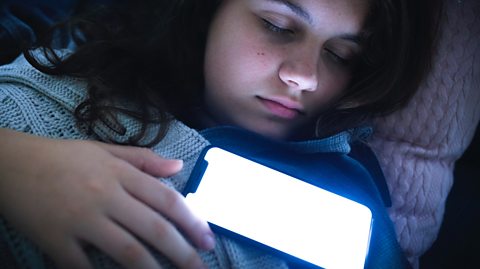
Michael Mosley: Five tips for helping your kids sleep well
Dr Michael Mosley offers advice on improving health and concentration through better sleep habits. Here are his tips for parents to help their kids.

A good night's sleep
Anjula explains why it can be difficult for teens to get a good night's sleep. Bez chats to Arlo about their own teenage sleeping habits.


How do I get my child to sleep? - The Super Tutors
Dr Oscar Duke, aka 'The Doctor Dad', explains how you can help your child get into a good sleep routine.